Future-Proof Your Factory With Robots
The factories that will thrive in the next decade are the ones investing in adaptive automation today. Here's what that actually looks like.
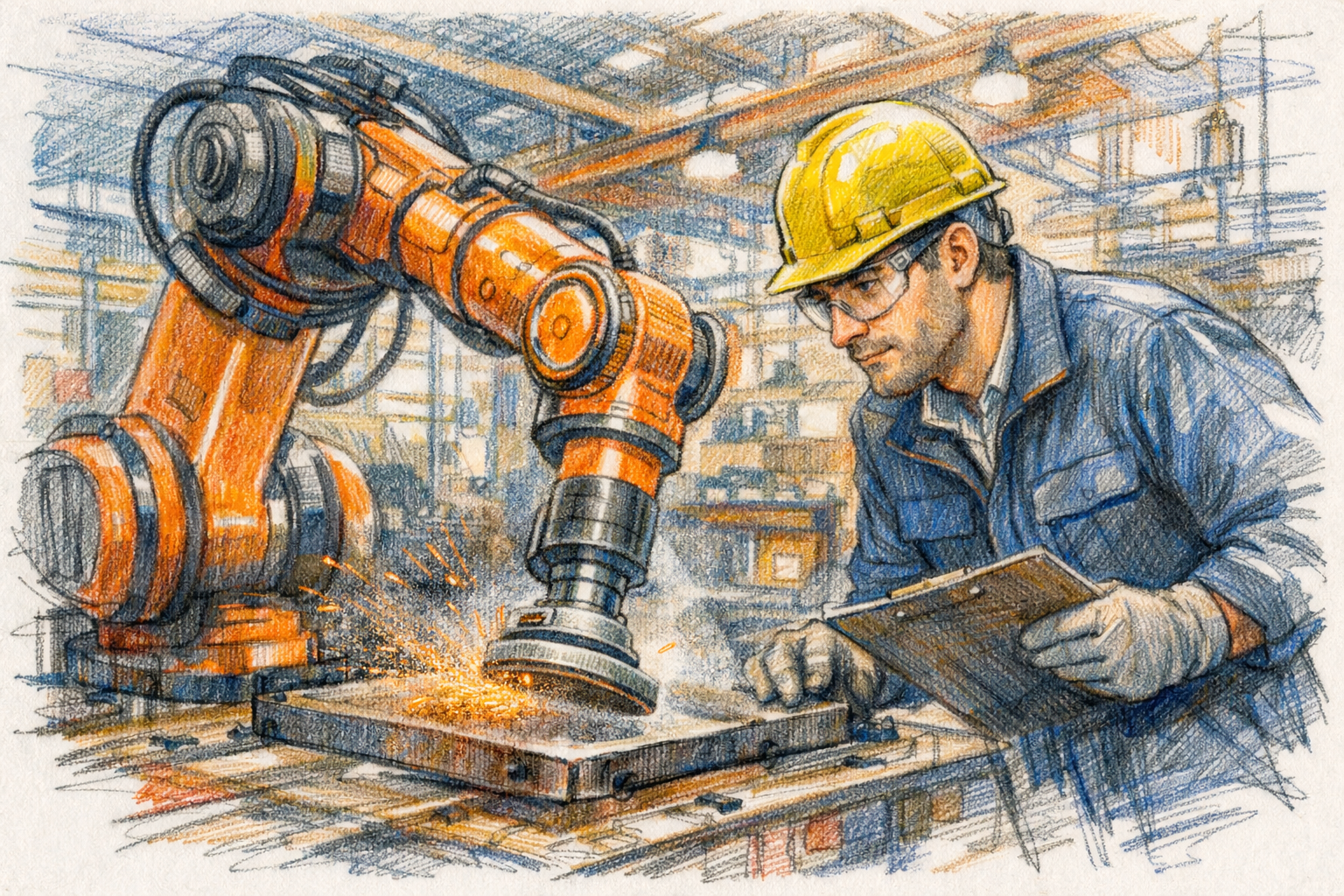
The conversation around manufacturing automation has shifted.
It’s no longer “should we automate?”
It’s “how do we automate in a way that actually works for our operation?”
The factories that will thrive in the next decade are the ones investing in adaptive automation today.
The old playbook is broken
Traditional automation was built for high-volume, low-mix production.
Program once. Run forever. Don’t touch it.
But here’s the thing — most manufacturers today don’t operate that way:
- High-mix, low-volume is the reality
- Custom orders are the norm, not the exception
- Product lifecycles are getting shorter
- Labor availability is unpredictable
The rigid automation of the past doesn’t fit this new world.
I’ve seen this firsthand at GrayMatter Robotics — the manufacturers we work with are dealing with all of this simultaneously.
What adaptive automation actually looks like
1. Robots that learn, not just execute
AI-powered systems that can adapt to variations in parts, surfaces, and conditions — without requiring a team of engineers to reprogram them every time something changes.
2. Human-robot collaboration
Not replacing workers — augmenting them.
Letting robots handle the repetitive, ergonomically challenging tasks while humans focus on decision-making and quality.
3. Rapid deployment
Getting robots operational in weeks, not months.
The faster you can deploy, the faster you see ROI.
4. Flexibility built in
Systems that can handle product changeovers without extensive downtime or reprogramming.
The ROI conversation has changed
It used to be about labor cost savings alone.
Now it’s about:
- Throughput protection when you can’t find workers
- Quality consistency that manual processes can’t match
- Capacity flexibility to handle demand swings
- Workforce sustainability — keeping your best people by removing their worst tasks
Where to start
If you’re evaluating automation for your factory:
- Start with the pain — What tasks are hardest to staff or have the highest injury rates?
- Think flexibility first — Can the solution adapt as your products change?
- Measure total impact — Beyond labor savings, what’s the quality and throughput gain?
- Plan for scale — If this works, where else can you deploy?
The future belongs to manufacturers who can adapt faster than their competition.
Keep Reading
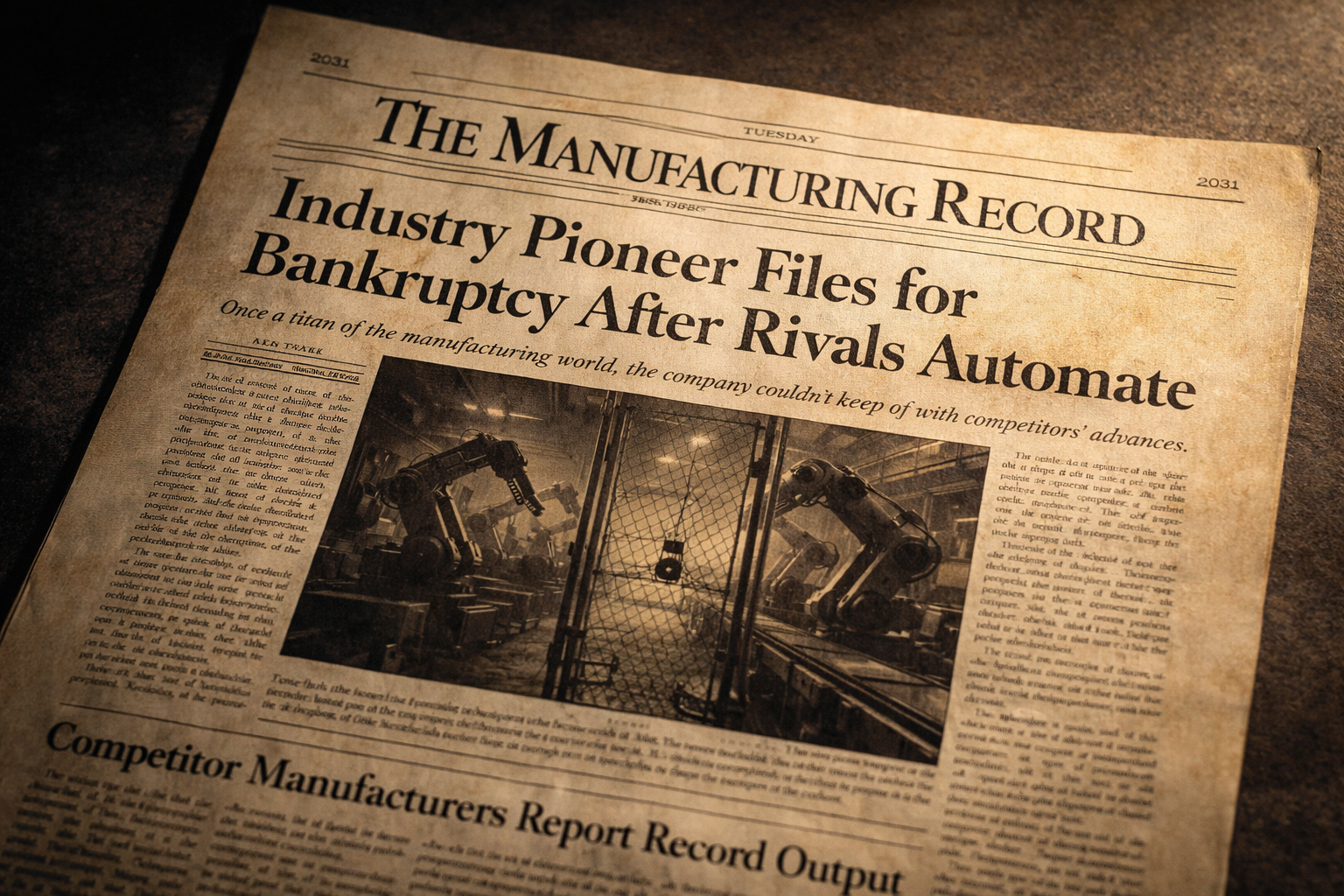
The Next 50 Years of Manufacturing Starts Now
The inflection point is here. The evidence is at every major expo. The question is whether you'll lead from the front — or become the Blockbuster of your industry.
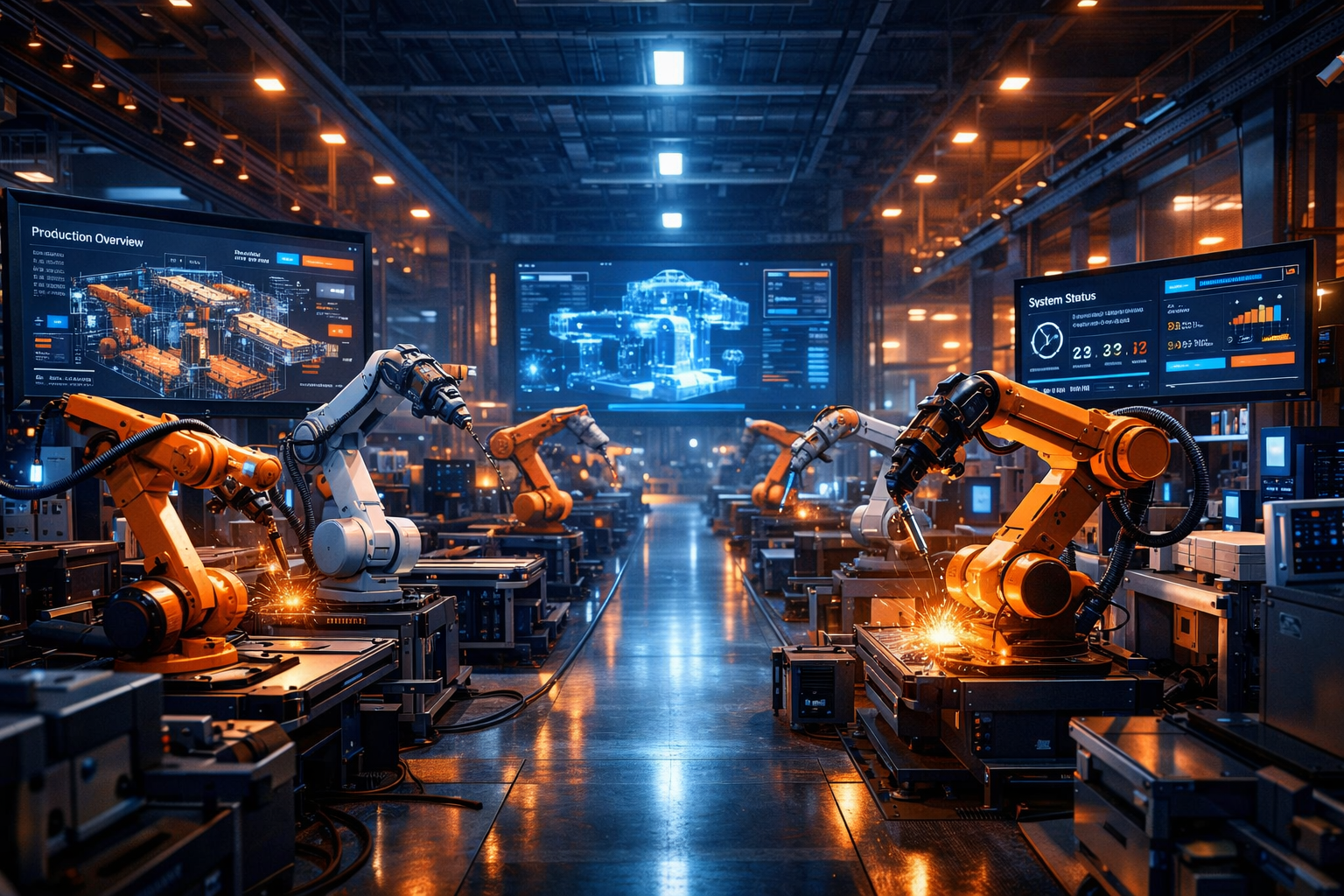
If This Is Not On Your 2026 Roadmap, You Are Already Behind
2025 made one thing painfully clear for manufacturing leaders. This is no longer about experimenting with automation. It is about survival.
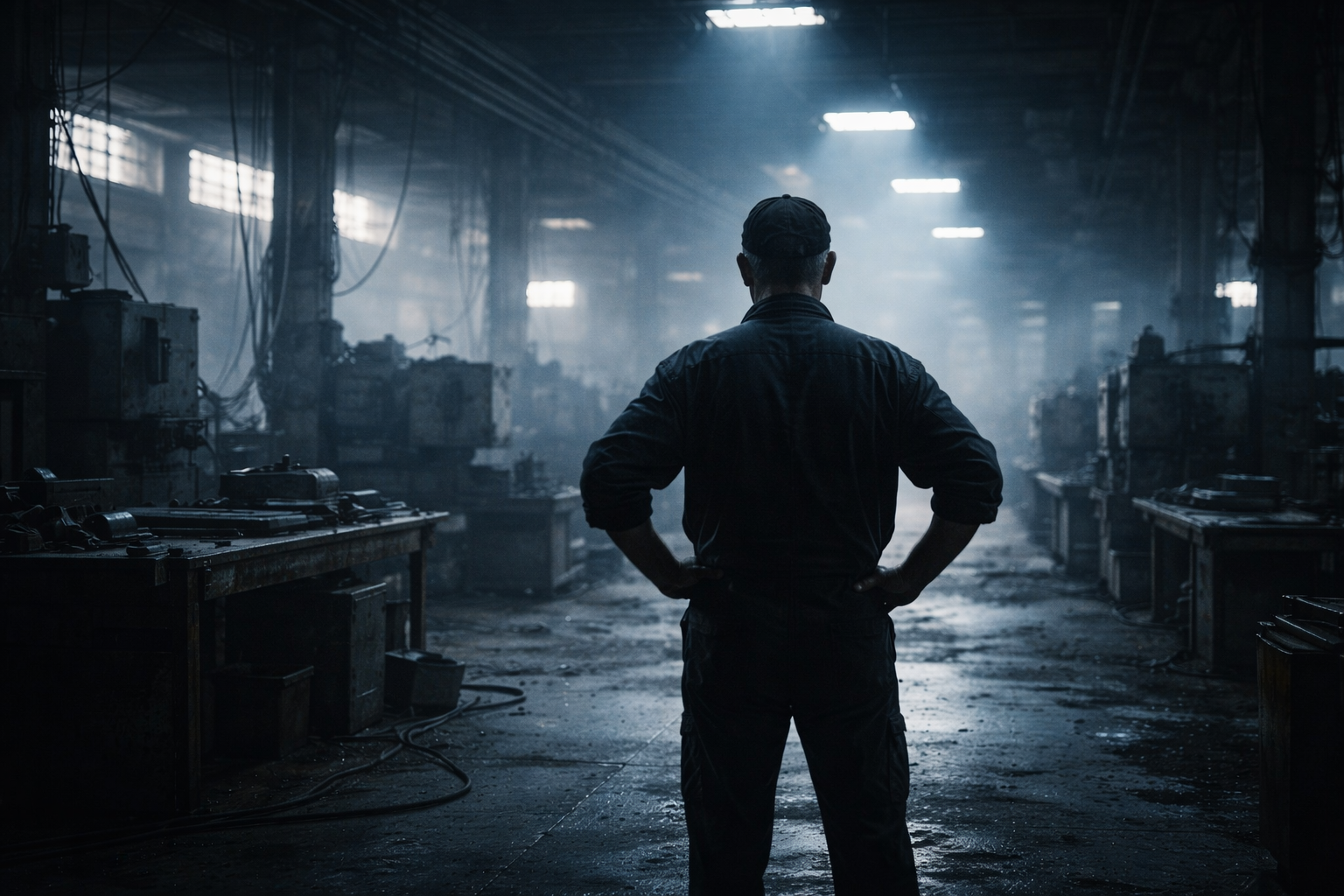
American Manufacturing As We Know It Is Collapsing
The manufacturing workforce is aging out faster than we can replace it. Automation isn't optional anymore — it's survival.

Working on a problem in manufacturing, AI, or scaling operations?
Let's connect →