How Much Should I Spend on a New Car?
If you're setting a monthly budget first, you're probably overpaying. Here's how dealerships trick you — and what to do instead.
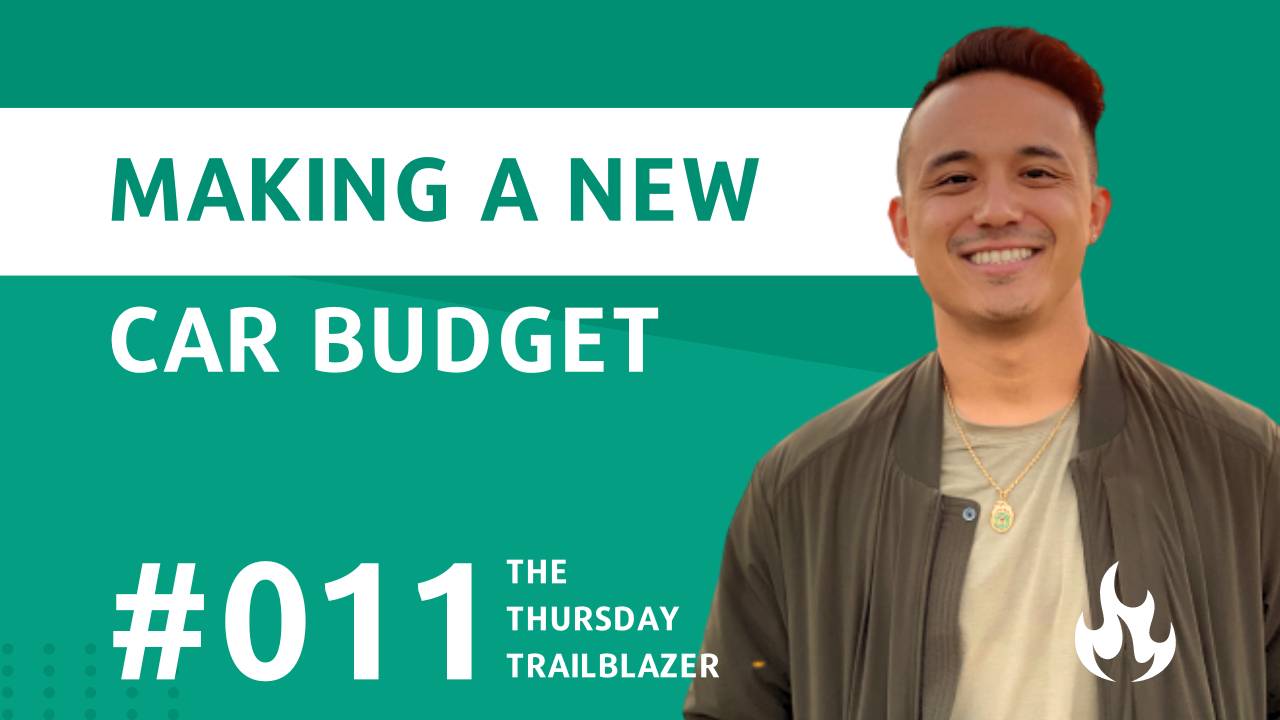
If you’re setting a monthly budget first… you’re probably overpaying.
You read that correctly.
Walking into a dealership with a $750 per month budget seems like all you would need to do.
But that is EXACTLY what the dealership wants you to think.
The dealership will take that number… and make almost ANY car fit within that budget.
How?
They will EXTEND the duration of the loan for that vehicle.
- 3 years or 36 months?
- 4 years or 48 months?
- 7 years or 84 months?
These are the numbers hidden in the fine print that most people just hit ‘accept’ and sign away.
Congratulations on your new car… and the 8 years of payments with only 7% interest!
Wait, that’s for a new car… used car interest can be over 17% right now!
As you can see, a $30,000 car can have the same monthly payments as a $72,000 car. By modifying the interest rates and loan duration, almost anything is possible.
What Are Some Common Methods to Consider When Buying a Car?
There isn’t a right answer to this.
When I make a large purchase for myself… my goal is to have the least amount of time in debt where my payments should never put me in a financial strain.
Below we’ll dive into two common approaches:
- Pay in Cash
- Use the 20/4/10 Rule
Method 1: Paying in Cash
Avoid car payments (and their interest)… by saving and buying a car in CASH.
That is the general approach preached by personal finance personality, Dave Ramsey.
This generally makes sense since most people will have to save for months.
Waiting and saving will really put the price and desires of that vehicle into perspective.
Could you imagine wanting a Mercedes G-Wagon?
Before taxes and any add-ons, they start at $139,000. 🫢
If you were saving $1,000 a month… that is over 139 months or 11.5 years of saving!
That quickly puts the price of some vehicles in perspective.
Just because you can, doesn’t mean you should. Some people fall upon the good fortune of a large sum of money, like inheritance, and think now they can afford a more expensive vehicle. They have the cash, so they are going to drain $50,000 on a new Tesla. DO NOT let this fog your mind!
Method 2: The 20/4/10 Rule
This is one of the most popular purchasing frameworks on the internet!
It’s also the one that requires a little bit of math.
Don’t worry… we’ll break this down together.
The Rule:
- 20% — Down payment should be 20% of the balance
- 4 years — Loan should be no more than a four-year period (48 months)
- 10% — Monthly expenses (loan payments, insurance, and gas) should not exceed 10% of your monthly income
Typing in some quick numbers… this usually is the most eye-opening to what a “responsible” budget for a car would be.
Example:
If you made an annual salary of $75,000, using the 20/4/10 Rule:
- Your monthly expenses shouldn’t exceed $625
- With a down-payment of $7,500
- Your car budget would be ~$37,500
The budget would actually be less with insurance and fees… however, this will get you very close in the range.
What Did I Do?
When my first car died in late-2019… I went into DEEP analysis mode.
I created a spreadsheet that tracked everything:
- MPG
- 10-year estimated maintenance cost
- Gas expenses
- New vs. used comparisons
So many different considerations… that led me to a used Subaru Forester.
I didn’t know ANYTHING about Subaru at the time.
But it was within budget and mathematically was the best decision for my situation.
My plan now is to keep this car until it dies in 15+ years…
…and purely focus on investing in real estate to use the income from that to pay for my next car.
Yes, the Subaru will age.
But that is okay… especially when my future car is paid by income that I didn’t have to work a job for. 😃
This article is for educational purposes and not financial advice. Please consult with a licensed professional before making any financial decisions.
Keep Reading

Should I Get the Robinhood Gold Credit Card? [March 2024]
Robinhood now has a credit card with 3% cash back on all categories. Here's my breakdown of whether it's worth it for you.

Three Lessons I Learned Buying My First Real Estate Investment
What I wish I knew before purchasing my first investment property — and the lessons that will shape how I invest moving forward.

Don't Leave Your Retirement Funds Behind — Navigate 401(k) and HSA Transitions!
What happens to your retirement accounts when you change jobs? Here's what I learned after 14 phone calls, 6 companies, and 4½ hours.

Working on a problem in manufacturing, AI, or scaling operations?
Let's connect →