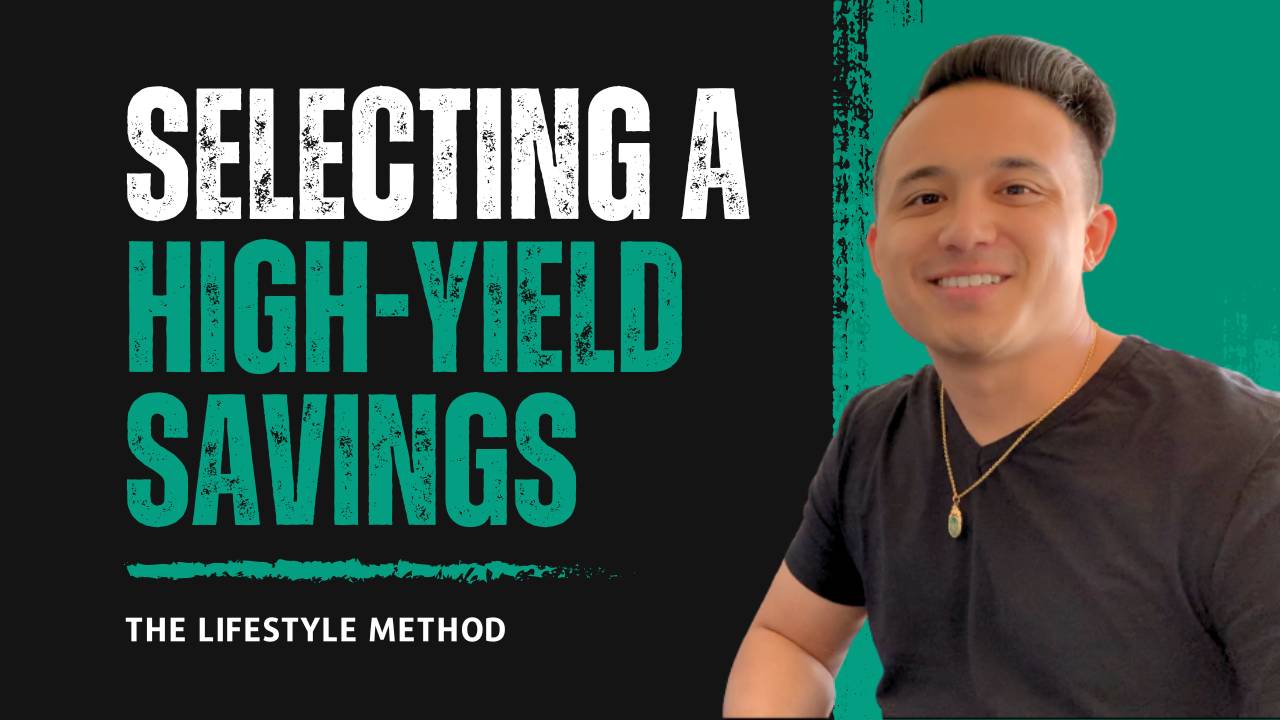
The Lifestyle Method to Select a High-Yield Savings Account
With 90+ financial institutions offering high-yield savings accounts, how do you choose? Here's my framework for selecting the best HYSA for your lifestyle.
Read time: 6 minutes
You can decide to open a high-yield savings account with over 90 different financial institutions in the United States.
Talk about decision overload!
When I first started researching high-yield savings accounts, I was overwhelmed by the options. Every website had a different “best” pick, and the APY rates were constantly changing.
So I developed what I call The Lifestyle Method — a framework to help you select the best high-yield savings account based on YOUR specific situation, not just whoever is paying the highest rate this month.
The 5 Factors to Consider
1. Your Existing Banking Relationships
Question to ask: Do you already have accounts with any institutions that offer high-yield savings?
This was the #1 factor for me. I already had an American Express credit card, so opening an AmEx High Yield Savings account meant:
- ✅ No new login to remember
- ✅ Familiar interface
- ✅ Easy transfers between accounts
- ✅ Consolidated view of my finances
If you already bank somewhere that offers a competitive HYSA, start there.
2. How You’ll Use the Account
Question to ask: What is this money for?
Different accounts have different strengths:
| Use Case | Best Feature to Look For |
|---|---|
| Emergency Fund | Easy access, no withdrawal limits |
| Saving for a Goal | ”Buckets” or sub-accounts (like Ally) |
| Set it and Forget it | High APY, automated deposits |
| Fun Motivation | Gamified savings (like Yotta) |
Match the account features to how you’ll actually use it.
3. The APY Rate (But Not Just the Rate)
Question to ask: Is this rate sustainable or a promotional teaser?
Yes, APY matters. But here’s what most people miss:
- Promotional rates often drop after 3-6 months
- Variable rates change based on economic conditions
- The difference between 4.15% and 4.30% on $10,000 is only $15/year
Don’t chase the absolute highest rate if it means switching banks constantly. The hassle isn’t worth $15.
Look for institutions with consistently competitive rates over time.
4. FDIC Insurance
Question to ask: Is this account FDIC insured?
This is non-negotiable. FDIC insurance protects your deposits up to $250,000 per depositor, per institution.
All five institutions in my Best High-Yield Savings Accounts list are FDIC insured.
If a bank or fintech isn’t FDIC insured, walk away. Period.
5. The Hidden Costs
Question to ask: Are there any fees that will eat into my earnings?
Watch out for:
- ❌ Monthly maintenance fees
- ❌ Minimum balance requirements
- ❌ Transfer fees
- ❌ Account closure fees
Most high-yield savings accounts have no fees, but always check the fine print.
A 5% APY means nothing if you’re paying $12/month in fees.
The Lifestyle Method Decision Tree
Here’s a quick framework to help you decide:
Step 1: Check Your Existing Banks
Do any of your current banks offer a HYSA with 4%+ APY?
- Yes → Open one there. Done.
- No → Continue to Step 2.
Step 2: Define Your Use Case
What’s this money for?
- Emergency Fund → Marcus by Goldman Sachs or AmEx
- Multiple Goals → Ally (for Buckets)
- Maximum APY → UFB Direct
- Fun/Motivation → Yotta
Step 3: Verify FDIC Insurance
Is the institution FDIC insured?
- Yes → Proceed.
- No → Find another option.
Step 4: Check for Hidden Fees
Are there monthly fees or minimum balance requirements?
- No → You’re good!
- Yes → Make sure you can meet them or find another option.
My Personal Setup
For transparency, here’s how I structure my high-yield savings:
- American Express HYSA — Primary emergency fund (6 months of expenses)
- Ally Savings — Goal-based savings using Buckets (travel, car fund, etc.)
I don’t chase the absolute highest rate. I prioritize simplicity and having my money in institutions I trust.
Common Mistakes to Avoid
❌ Chasing the Highest Rate
Switching banks every month to get an extra 0.10% APY isn’t worth the hassle. Find a solid institution and stick with it.
❌ Keeping Too Much in Checking
Your checking account is for spending, not saving. If you have more than 1-2 months of expenses in checking, move the rest to a HYSA.
❌ Forgetting About Access
Make sure you can actually access your money when you need it. Some accounts have transfer limits or delays.
❌ Not Automating
Set up automatic transfers from your checking to your HYSA. “Pay yourself first” works because it removes the decision.
Summary
Selecting a high-yield savings account doesn’t have to be complicated. Use The Lifestyle Method:
- Start with existing relationships — Simplicity wins
- Match features to your use case — How will you use this money?
- Consider APY, but don’t obsess — Consistency beats rate-chasing
- Verify FDIC insurance — Non-negotiable
- Avoid hidden fees — Read the fine print
The best high-yield savings account is the one you’ll actually use.
Now go open that account and start earning! 💰
Related: The 5 Best High-Yield Savings Accounts
This article is for educational purposes and not financial advice. Please consider consulting with a licensed professional before making any financial decisions.
Keep Reading
How to Select the Best Roth IRA Account
With dozens of brokerages offering Roth IRAs, how do you choose? Here's my framework for selecting the right account based on fees, minimums, and simplicity.
How to Quickly Make a Copy of a Google Sheet
A quick step-by-step guide on how to copy a shared Google Sheet so you can edit it yourself. Perfect for using budget templates and other shared resources.
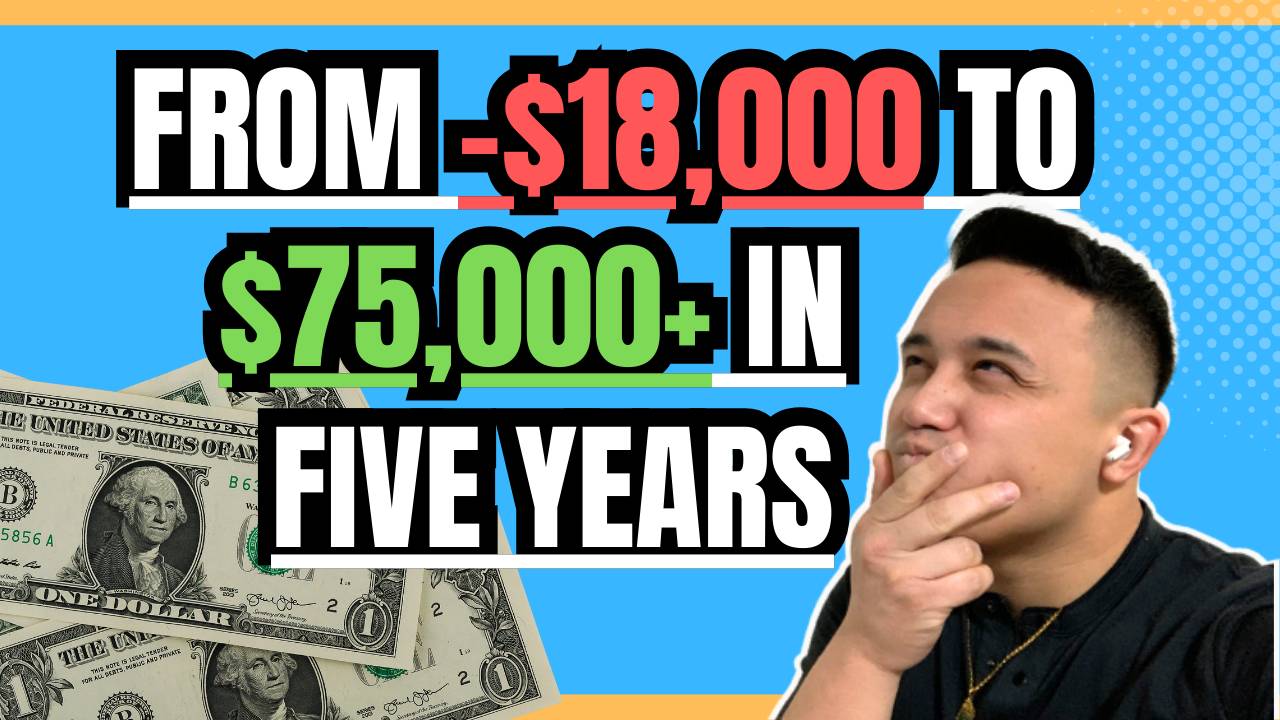
How to Make a Budget: Getting Out of Student Loan Debt From -$18,000 to $75,000+ in Five Years
The ultimate beginner's guide to creating a budget. I used this framework to go from -$18,000 in student loans to debt-free in 13 months.

Working on a problem in manufacturing, AI, or scaling operations?
Let's connect →